Our services.
From baby milestones to schoolwork, handwriting and hand injuries: assessments and therapy tailored to every child.
Assessments
A thorough assessment shows us your child’s strengths and where they need support, so therapy can target exactly the right skills.
 Finding the root of the struggle
Developmental assessment
For babies and young children (4 months to 5 years) who aren’t reaching their milestones.
4 months – 5 yearsSchool readiness assessment
For Grade R learners: is your child ready for big school, and where could they use a boost?
Grade RChildren struggling at school
For learners in Grade 1 to 9 who battle with schoolwork, to find the root of the difficulty.
Grade 1 – 9Dyslexia & dysgraphia assessment
Identifying reading and writing difficulties early, so your child gets the right support.
Concession evaluations
Evaluations to determine whether a learner qualifies for exam concessions.
Functional capacity evaluations
Assessing a person’s functional abilities for work and everyday activities.
Therapy & treatment
Fun, play-based sessions that build real-world skills, at home, at school and on the playground.
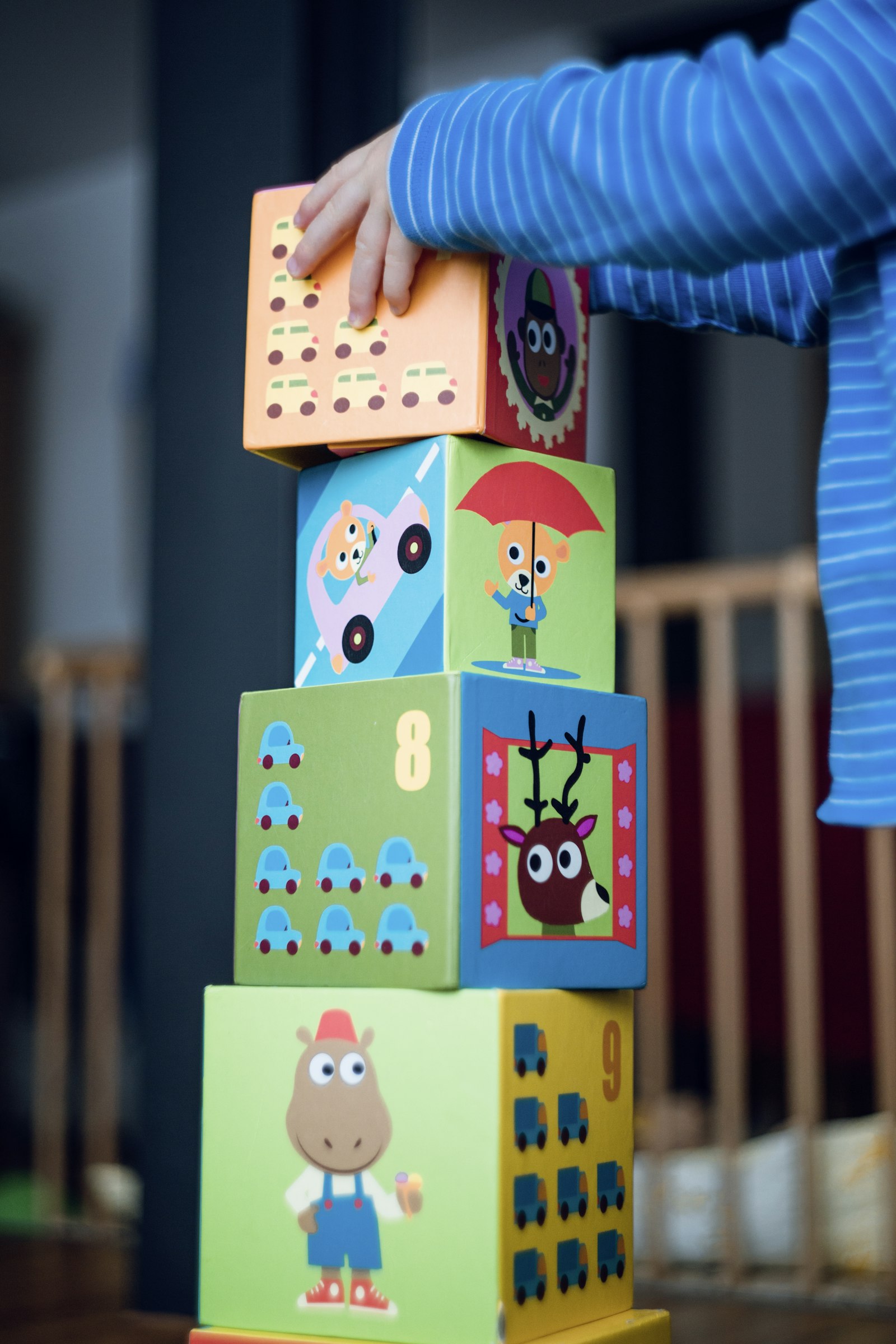 Building skills through play
Milestone stimulation
Playful stimulation that helps babies and toddlers reach their developmental milestones.
Sensory integration therapy
For children who have difficulty with sensory processing, gross and fine motor skills, and visual perceptual skills.
Motor & perceptual skills
Treatment for gross motor, fine motor, perceptual and sensory processing challenges, from balance to pencil grip.
Dyslexia & dysgraphia treatment
Targeted therapy that helps children with dyslexia and dysgraphia read and write with more confidence.
Reading, writing & maths
Hands-on help for children who struggle with reading, writing and maths.
Hand injury rehabilitation
Rehabilitation after hand injuries to restore movement, strength and everyday function.
Hippotherapy
Equine-assisted therapy, registered with EATASA.
Let’s clear up a few myths.
Hover over or tap a card to reveal the facts.
“People with dyslexia can’t read.”
Flip for the factMost people with dyslexia do learn to read. The challenge is the effort it takes. Skilled readers read automatically, quickly and with enjoyment, while children with dyslexia read slowly, inaccurately and with effort. For them, reading isn’t spontaneous.
“If you have dyslexia, you can’t be very smart.”
Flip for the factQuite the opposite. Some of the brightest minds in history and today have dyslexia. Dyslexia occurs in people of average, high-average and even above-average intelligence.
Questions parents ask.
Can’t find your answer? WhatsApp us and we’ll gladly help.
Ask a questionWhat is occupational therapy for children?
Occupational therapy helps children develop the skills they need for everyday “occupations”: playing, learning, taking care of themselves and getting along with others. It focuses on things like motor skills, sensory processing, concentration and handwriting, through purposeful play.
What ages do you work with?
We help children of all ages, from babies as young as 4 months who aren’t reaching their milestones, to school-going children and teenagers. Hand injury rehabilitation and functional capacity evaluations are also available.
How do I know if my child needs an assessment?
If your child is clumsy, struggles to sit still, battles with reading, writing or copying from the board, or finds buttons, colouring and cutting difficult, an assessment can help you understand why. When in doubt, send us a WhatsApp and we’ll talk it through.
Where are you based?
Our practice is at Hoephoepstraat 30, Groblersdal, and we serve families in the Groblersdal and Marble Hall area.
How do I make an appointment?
The quickest way is to WhatsApp us on 073 214 4336. We’re available Monday to Friday, 08:00 – 17:00.
Not sure where to start?
Tell us a little about your child and we’ll help you find the right assessment or therapy.